



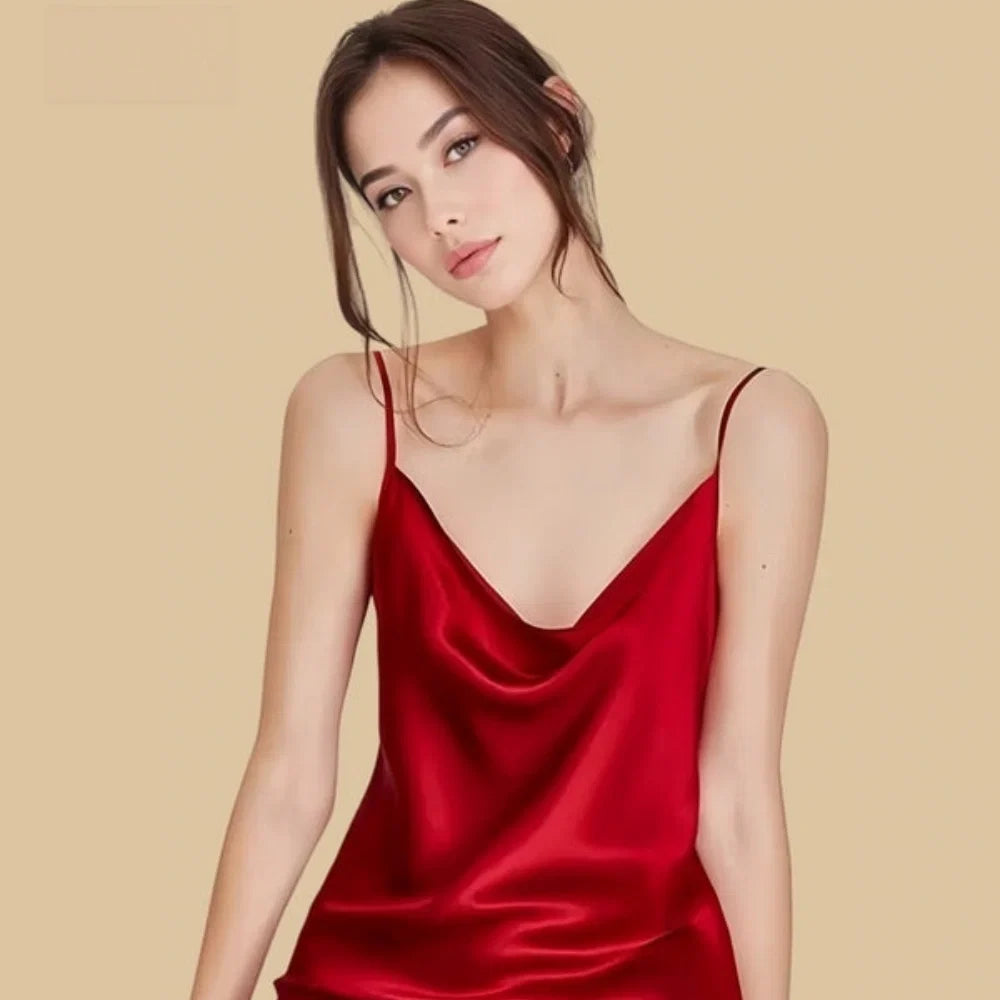
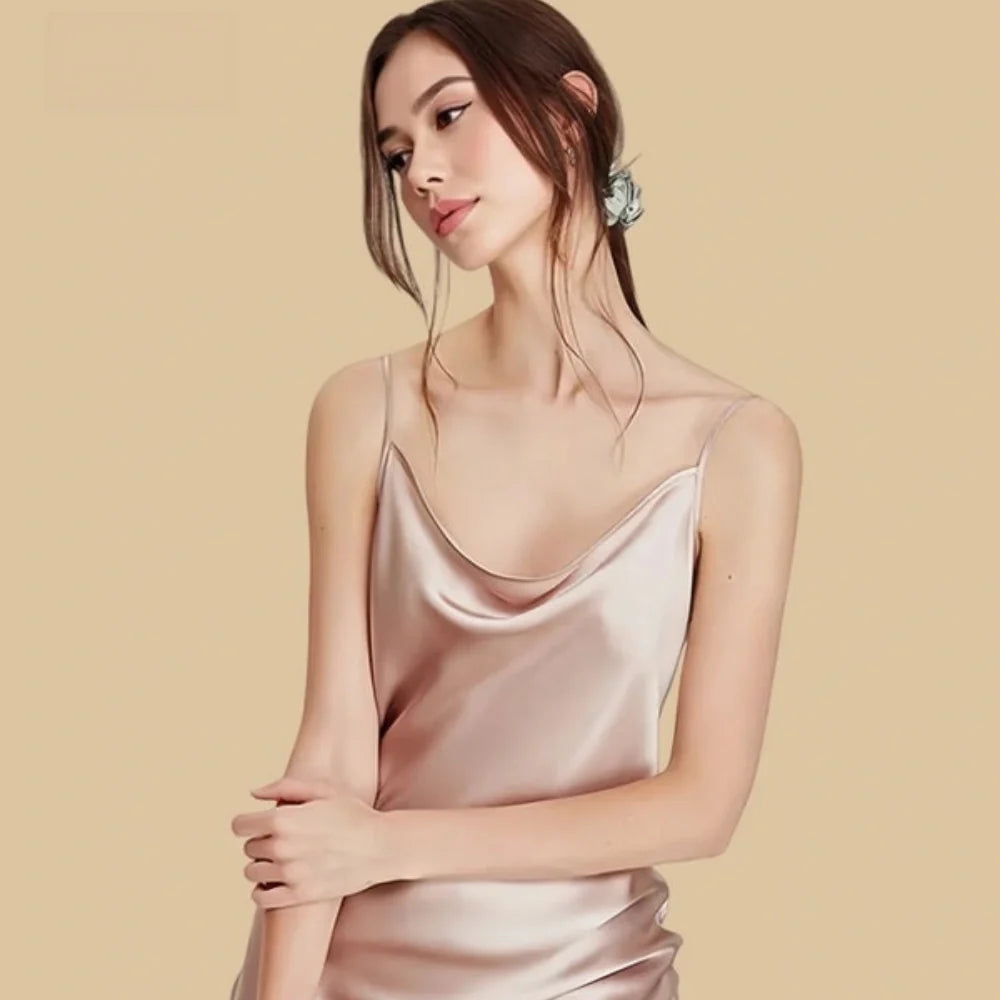
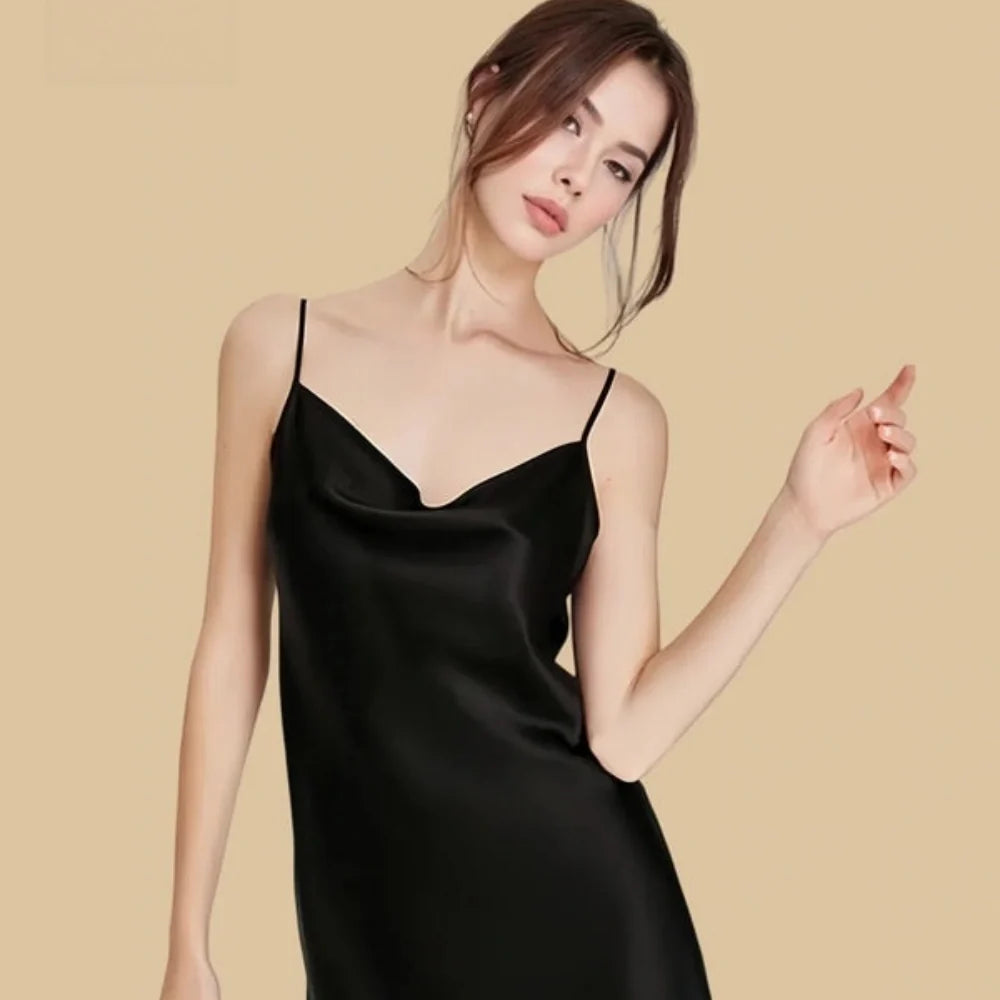
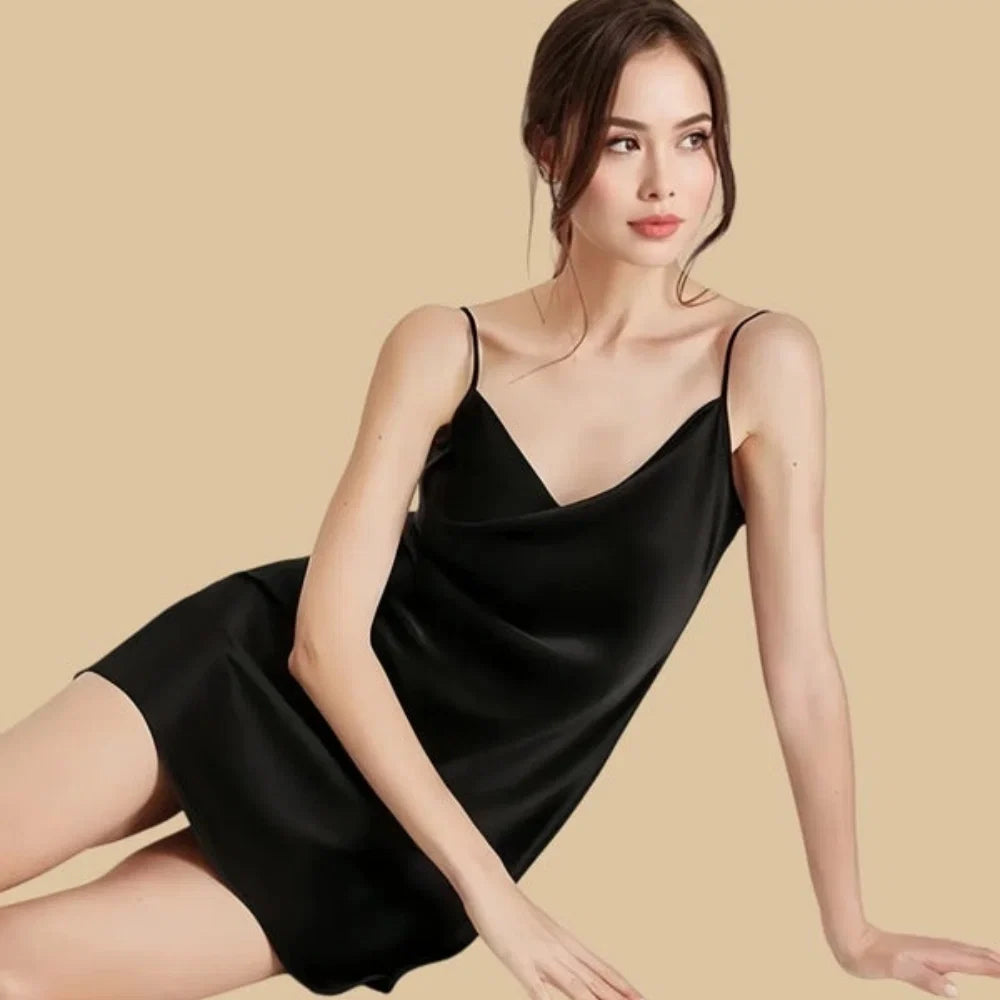
100% Mulberry Silk 19Momme Cowl Neck Spaghetti Strap Short Nightgown
- Regular price
-
€95,95 EUR - Regular price
-
- Sale price
-
€95,95 EUR
Couldn't load pickup availability
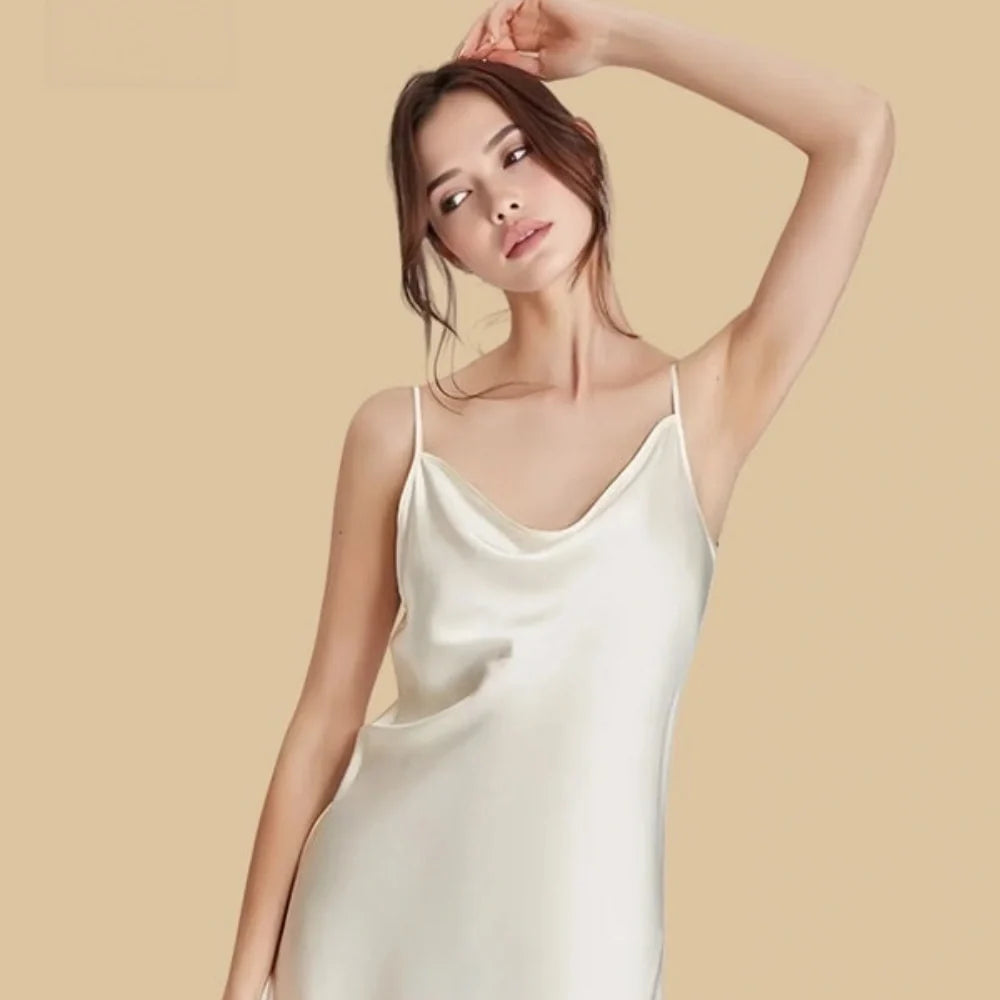
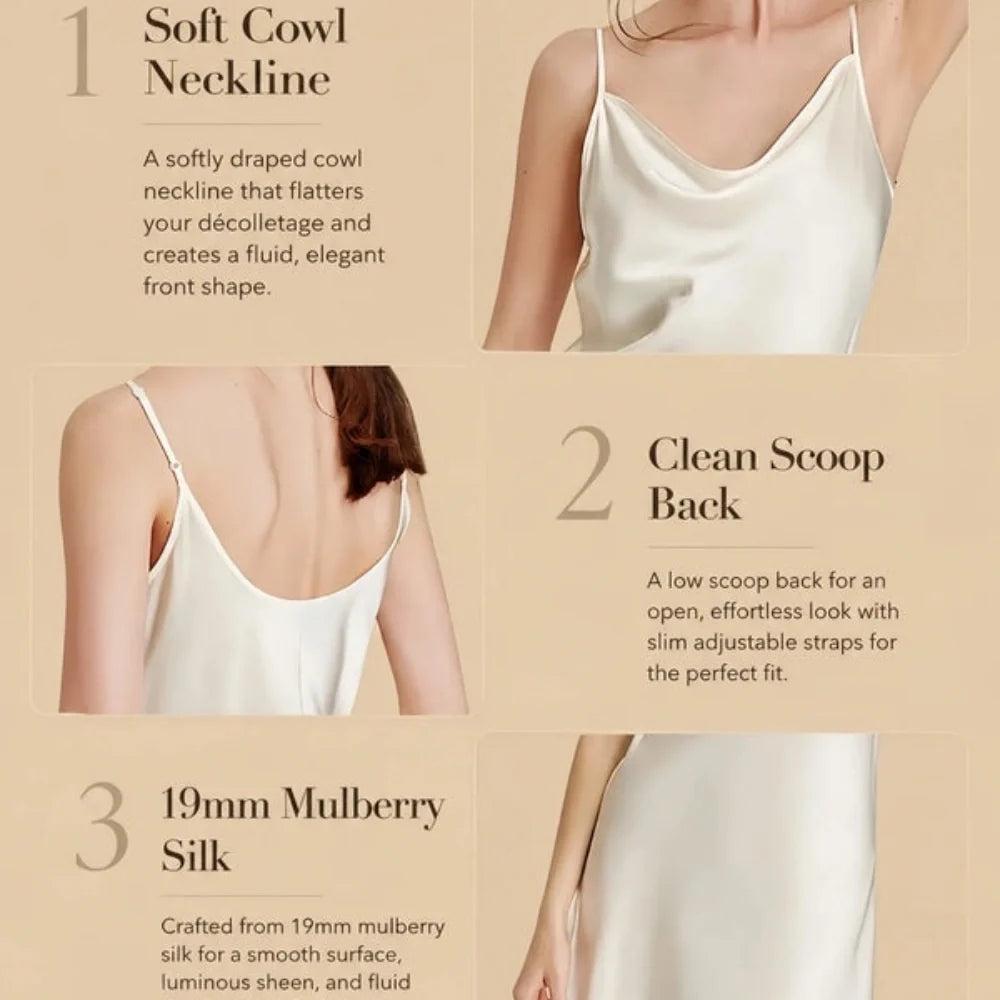
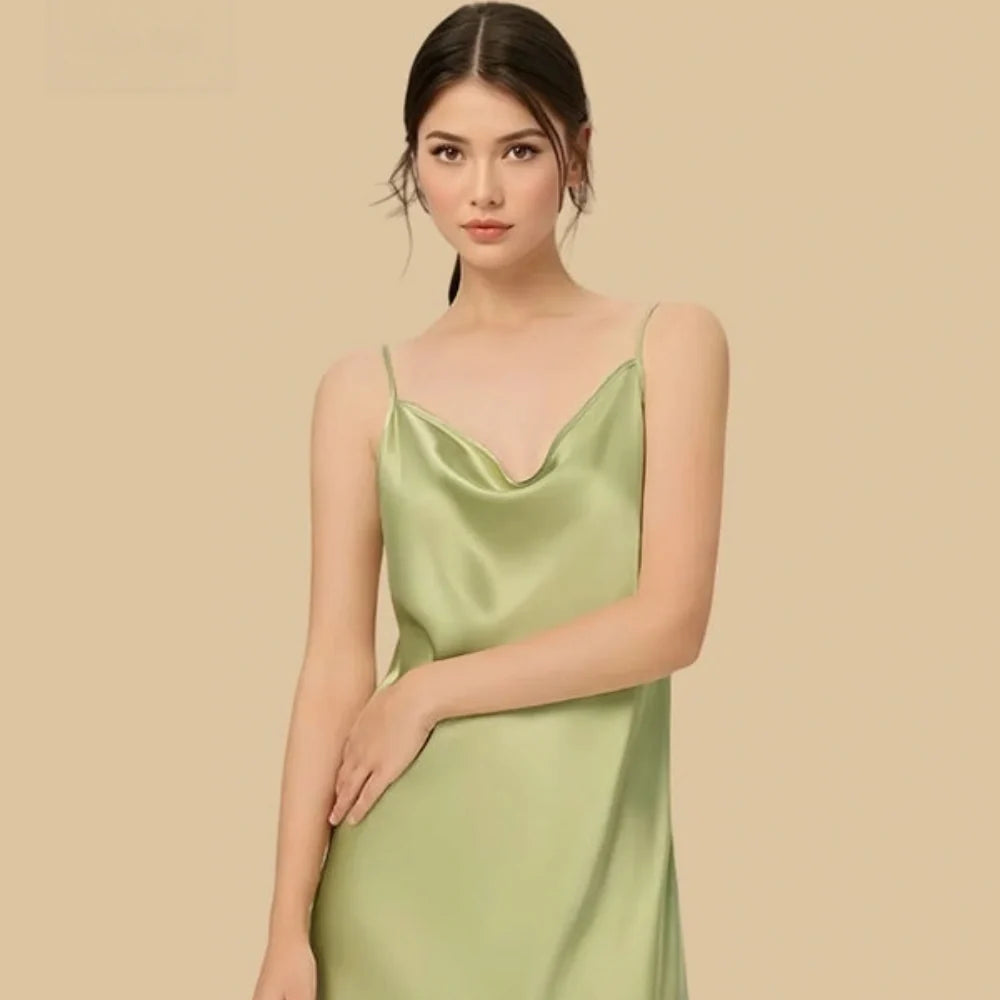
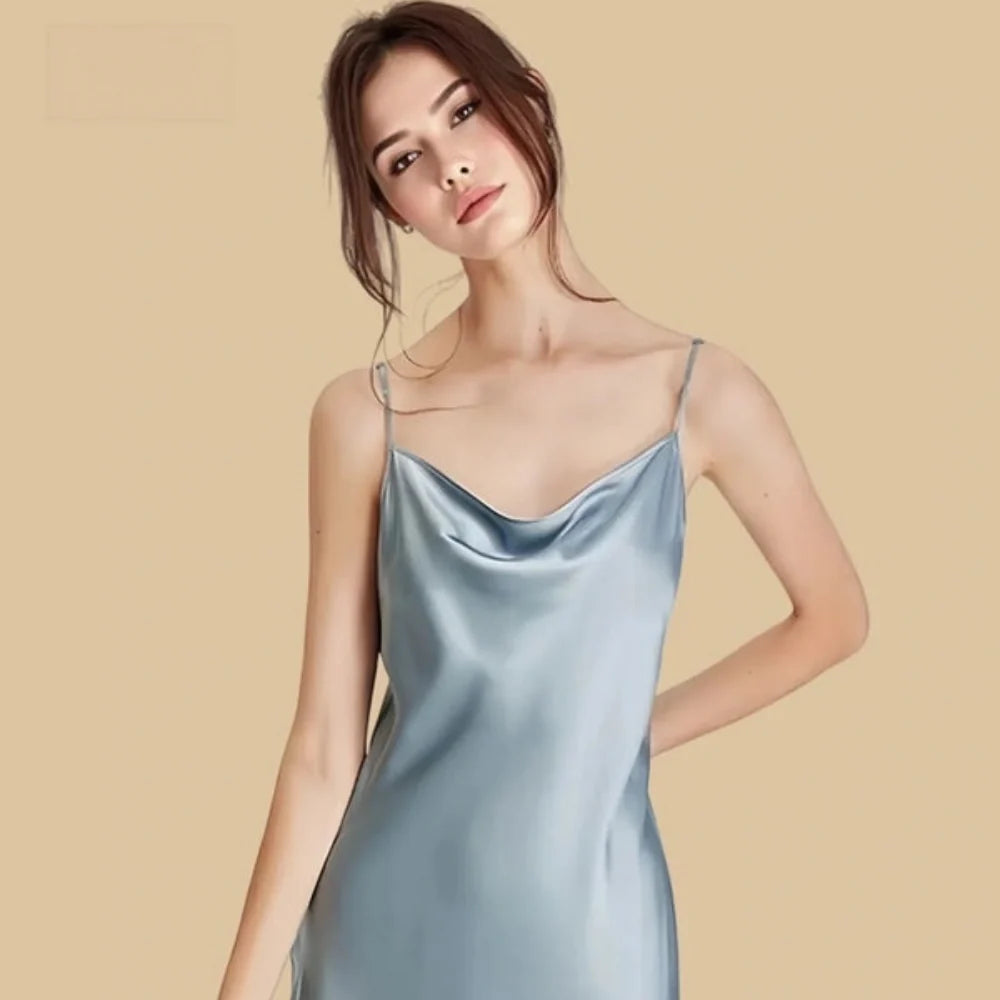
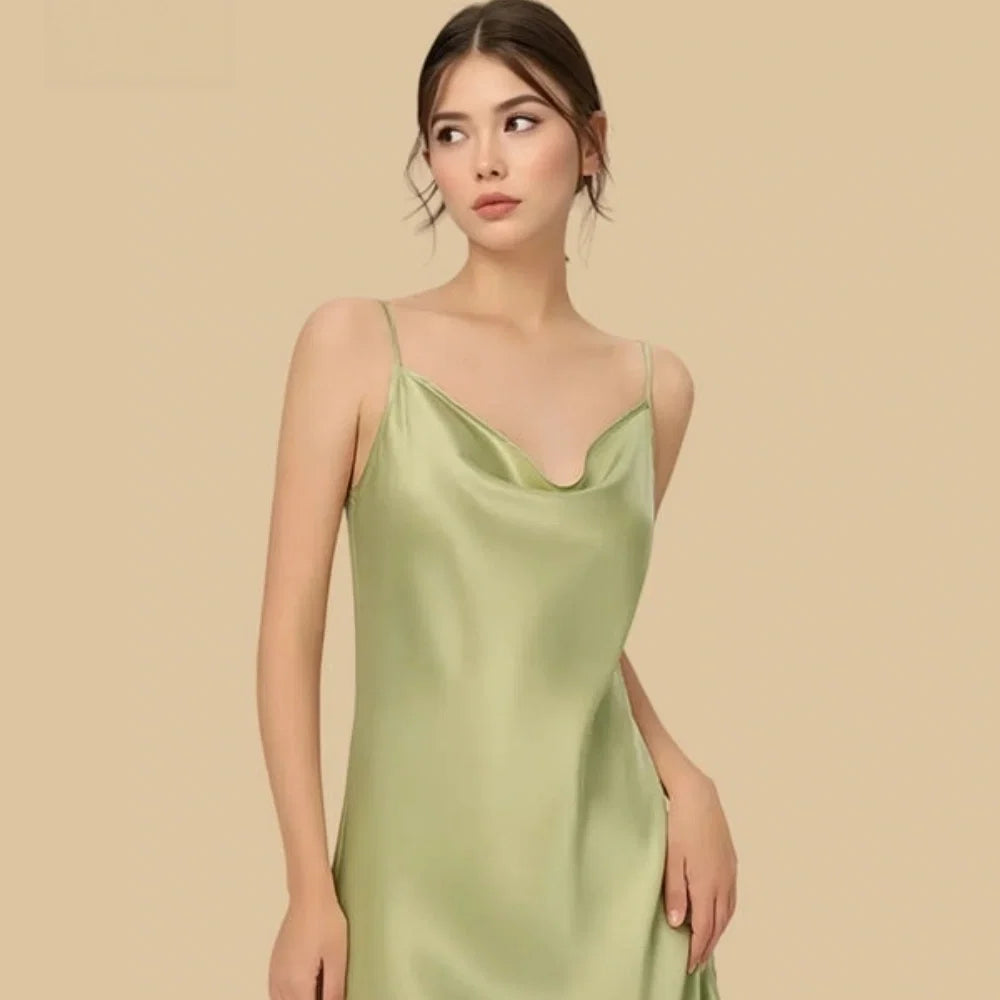
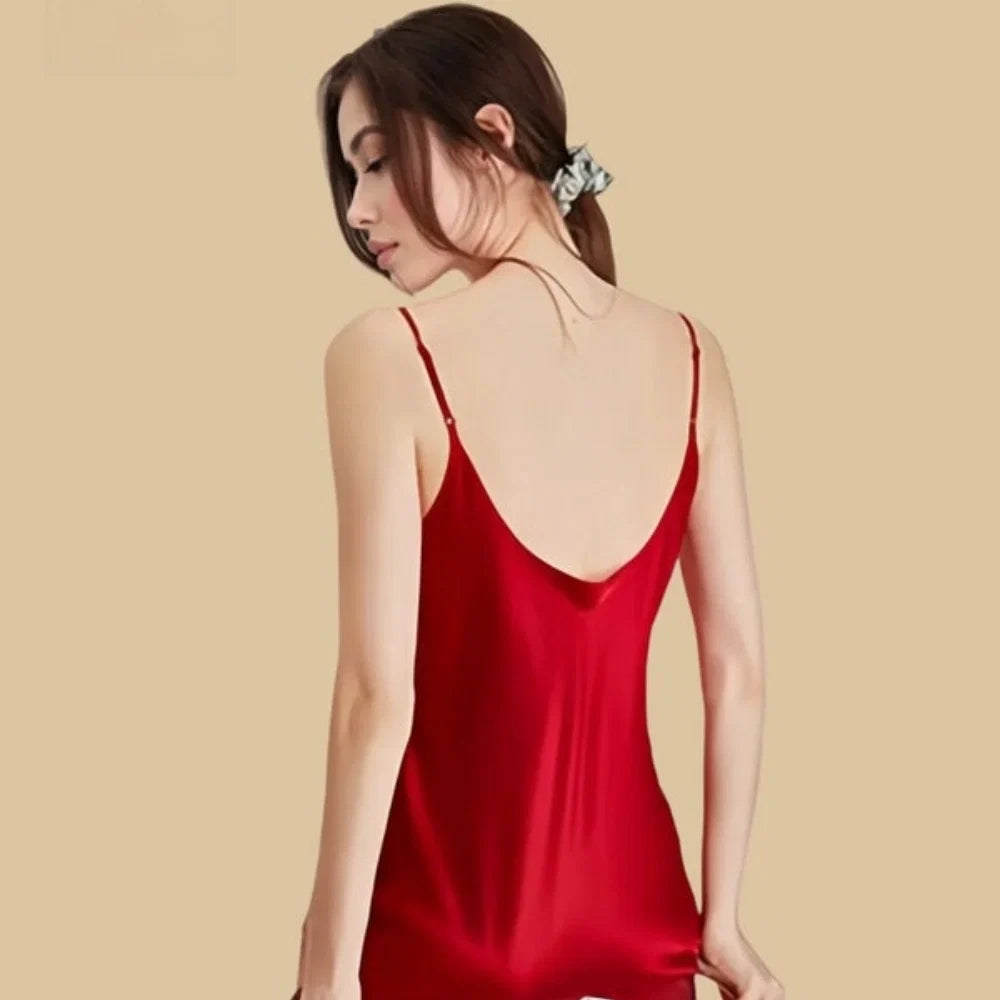
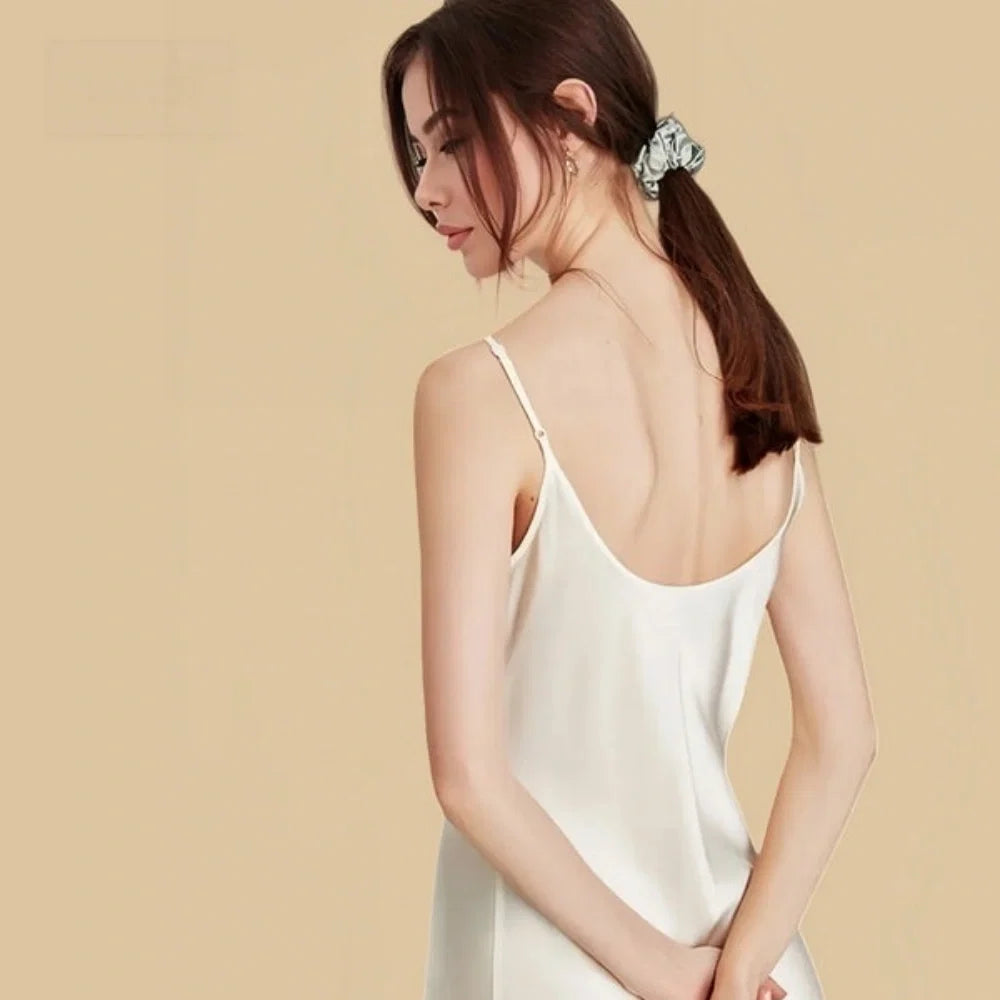
Indulge in luxury with this women's 100% mulberry silk nightgown—a masterpiece of refined elegance. Crafted from sumptuous 19mm mulberry silk, this short nightgown features a gracefully draped cowl neck that flows effortlessly, paired with delicate adjustable spaghetti straps and a softly swinging hem for fluid movement. The clean scoop back keeps things light and sophisticated, while the body-skimming silhouette delivers that coveted luxury feel without compromise. Perfect for women who refuse to settle for ordinary sleepwear, this nightgown transforms bedtime into a moment of pure silk indulgence. 100% mulberry silk means superior softness, natural temperature regulation, and a lustrous finish that only genuine silk can offer. Because sleep should feel as luxurious as it looks.
100% Mulberry Silk Benefits:
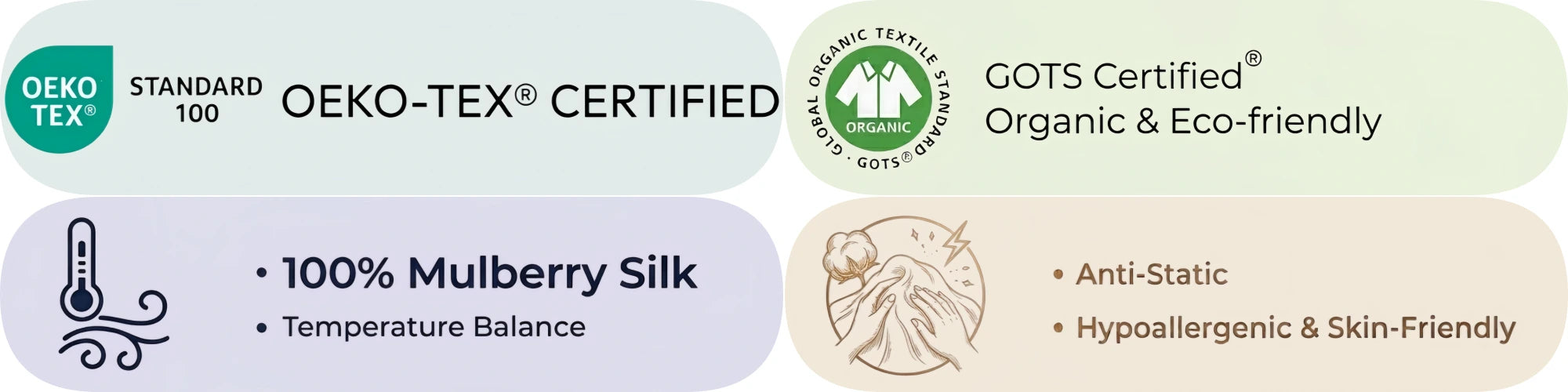
- Premium Certification: 100% Mulberry Silk, GOTS & OEKO-TEX® certified for ultimate purity.
- Pure & Ultra-Smooth: 100% natural protein fiber, synthetic-free, providing a silky-smooth and low-friction feel.
- Temperature Balancing: Naturally thermoregulating to maintain a comfortable, constant temperature year-round.
- Hypoallergenic: Gentle and safe for sensitive skin and expectant mothers.
- Anti-Static: Reduces static build-up to protect and soothe delicate skin.
- Elegant Drape: Exceptional natural fluid drape for a luxurious, refined silhouette.
Product Details
• 100% Grade 6A Mulberry Silk (19mm)
• Soft cowl neckline
• Clean scoop back
• Adjustable spaghetti straps
• Light body-skimming silhouette
• Soft swing hem
• Mini length cut
Size Guide (cm/in)
• M — Bust 80.0 cm (31.5") | Waist 75.9 cm (29.9") | Hips 100.1 cm (39.4") | Front Length 73.9 cm (29.1") | Height 160.0 cm (63.0") | Weight 40–52.5 kg (88.2–115.7 lbs)
• L — Bust 84.1 cm (33.1") | Waist 80.0 cm (31.5") | Hips 103.9 cm (40.9") | Front Length 75.9 cm (29.9") | Height 165.1 cm (65.0") | Weight 52.5–57.5 kg (115.7–126.8 lbs)
• XL — Bust 88.1 cm (34.7") | Waist 84.1 cm (33.1") | Hips 108.0 cm (42.5") | Front Length 78.0 cm (30.7") | Height 175.0 cm (68.9") | Weight 57.5–67.5 kg (126.8–148.8 lbs)







Identification of Mulberry Silk and Synthetic Silk
-

Burn Test
- 100% Mulberry Silk: When burned, natural silk produces a loose, dark brown or black ash. The remaining ash crushes effortlessly into a fine powder under light finger pressure without clumping.
- Synthetic Silk: Synthetic fabrics melt and shrink rapidly from the flame. Upon cooling, they form hard, rigid dark gray or brown beads that are nearly impossible to crush by hand.
-

Drape & Skin-Feel
- 100% Mulberry Silk: Features an elegant, fluid drape that flows naturally with your silhouette. Ultra-soft and exceptionally breathable, it offers a luxurious, skin-friendly touch with superior air circulation.
- Synthetic Silk: Exhibits a stiff, unnatural hang and creases easily. The rough texture feels low-quality on the skin, trapping heat while offering poor breathability.
-

Temperature Regulation and Breathability
- 100% Mulberry Silk: Naturally temperature-regulating and ultra-breathable. The soft, fluid fibers allow continuous airflow to maintain constant body comfort without overheating.
- Synthetic Silk: Traps heat and moisture, leading to temperature fluctuations and night sweats. The rigid fibers feel stiff and unbreathable against the skin.
-

Hypoallergenic & Anti-Static
- 100% Mulberry Silk: Naturally hypoallergenic and resistant to dust mites, mold, and allergens. Its smooth, friction-free proteins naturally eliminate static cling, protecting hair and sensitive skin.
- Synthetic Silk: Lacks natural defense against allergens, making it prone to dust build-up. High friction causes frequent static electricity, causing hair frizz and skin irritation.


Mulberry Silk Features and Benefits
Why Choose Mulberry Silk?
We have been dedicated exclusively to the art of 100% Mulberry silk for years. Our passion for this luxury fabric means we never compromise on quality. From source to stitch, we are incredibly selective about the silk we use for our mulberry silk nightgown, silk pajamas, silk camisole set etc.. We ensure every piece meets the highest standards of softness, durability, and elegance.
What Are Core Mulberry Silk Collections From Us?
We specialize in premium, 100% Mulberry silk sleepwear and loungewear. Our signature lines include:
- Mulberry Silk Nightgowns: Graceful, smooth single-piece dresses.
- Mulberry Silk Robes & Kimonos: Flowy wrap styles for luxurious layering.
- Mulberry Silk Pajama Sets: Classic two-piece sets for timeless comfort.
- Mulberry Silk Nightshirts: Relaxed, button-up comfort with a stylish fit.
- Mulberry Silk Camisole Sets: Lightweight cami-and-shorts pairs for warm nights.
What Makes Our Mulberry Silk Sleepwear So Special?
Our Mulberry Silk sleepwear is crafted to offer unmatched comfort and conscious luxury:
- Certified Safe & Sustainable: Independently tested and certified by OEKO-TEX® and GOTS, guaranteeing our silk is free from harmful chemicals and produced under strict environmental standards.
- Rich in Amino Acids: Packed with natural protein fibers that nourish your skin while you rest.
- Hypoallergenic & Anti-Static: Gentle on sensitive skin, reduces friction, and naturally resists static cling.
What We Choose the Grade 6A Mulberry Silk?
Silk is graded from 1A to 6A based on thread length, strength, and purity. Grade 6A is the absolute highest quality—representing the top 1% of Mulberry silk globally. We choose 6A mulberry silk exclusively because its long, flawless fibers make our sleepwear extraordinarily soft, naturally radiant, and resistant to pilling or fraying over time.
How to Identify the real Mulberry Silk from Synthetic Imitations?
You can verify pure Mulberry silk using these simple tests:
- The Burn Test (Most Definitive): Pure mulberry silk burns slowly with a faint smell of burning hair, leaving a fine, crushable black ash. Synthetics melt quickly like plastic and leave a hard, uncrushable bead.
- Touch & Temperature: Mulberry silk warms up to your body temperature within seconds and stay stable, while the synthetics silk is unstable and prone to heat in summer.
How is Silk Thickness Measured, and Which Momme Count Is Best in the Sleepwear?
Silk density is measured in Momme (mm). The higher the momme weight, the denser, thicker, and more durable the silk. We mainly forcus on the below momme for our sleepwear.
- 16mm: Light and breezy, ideal for summer mulberry silk camisole sets or delicate accessories.
- 19mm (The Golden Standard): The sweet spot for luxurious sleepwear, offering the perfect balance of breathability, opaque coverage, and durability which is ideal for the mulberry silk nightgowns
- 22mm (Heavyweight Luxury): Rich, dense, and deeply lustrous, ideal for premium mulberry silk robes & kimonos and pakamas.
How Does Mulberry Silk Help Regulate Body Temperature?
Mulberry silk is a natural thermo-regulator. Take the mulberry silk pajamas for exampls, Its breathable protein matrix traps warm air close to your skin during cooler months while allowing excess heat and moisture to evaporate in summer. This keeps you warm in winter and refreshingly cool in summer, preventing night sweats for an uninterrupted sleep.
Who Is Mulberry Silk Best Suited For?
- Comfort Lovers: Anyone seeking a soft, weightless night’s sleep.
- Sensitive & Dry Skin: Its hypoallergenic and moisture-retaining qualities protect skin barriers.
- Mothers & Pregnant Women: Completely free of harsh chemicals, gentle on delicate skin, and safe for nursing.
How Should I Care for the Mulberry Silk Sleepwear?
Wash: Hand wash or machine wash on a delicate cycle in cold water (<30 ∘C / 86 ∘F) using a ph-neutral silk detergent.
Dry: Do not tumble dry. Gently press out excess water with a towel and line dry in the shade (avoid direct sunlight).
Iron: Cool iron on the reverse side while slightly damp, or use a low-temp garment steamer.
How Does Mulberry Silk Feel Compared to Synthetic Silk?
Synthetic silk traps heat, builds up static, and wrinkles easily. Pure Mulberry silk such as the mulberry silk robe & kimono feels buttery-soft, drapes effortlessly, breathes naturally, and glides over your skin without static or harsh creases.


